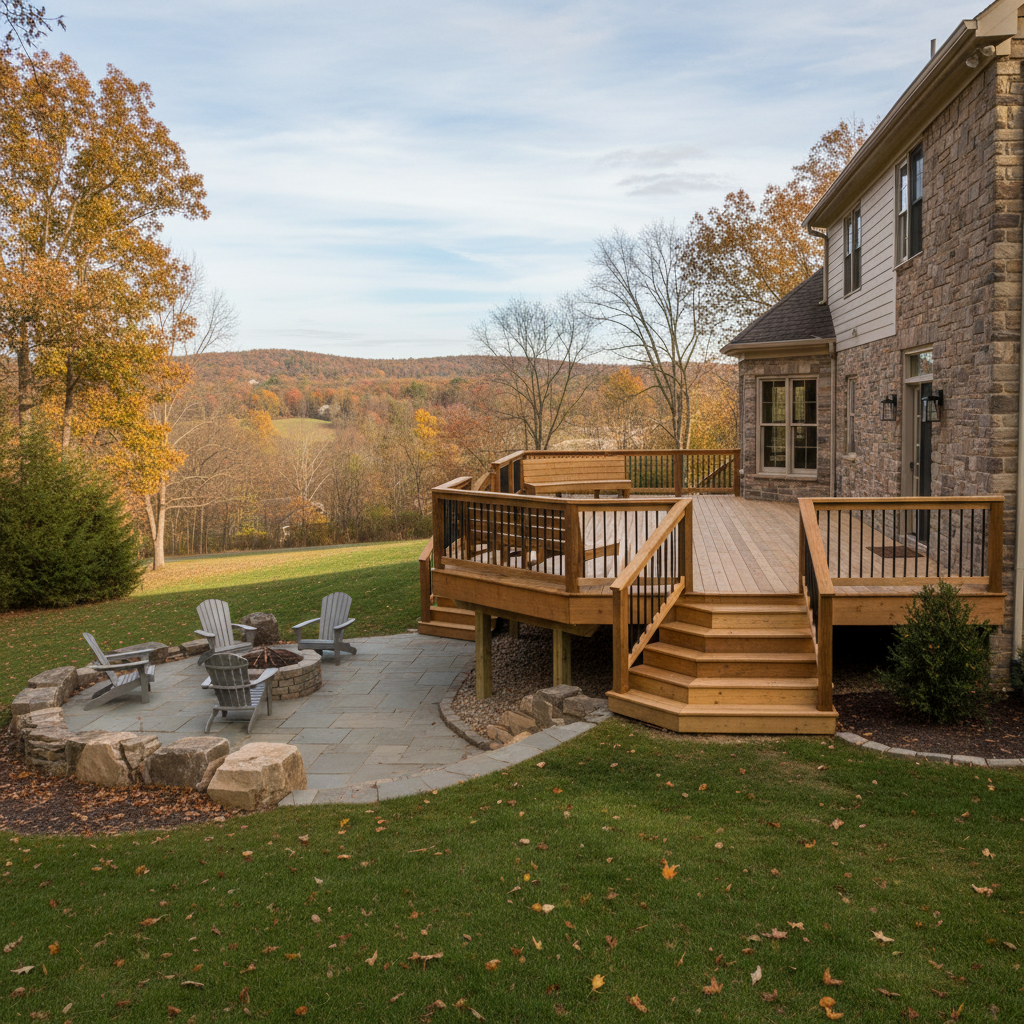
You've got a wooden deck, right? Or maybe you're thinking about building one. Either way, living around Birdsboro, you know our weather can be a real mixed bag. That means your deck needs some consistent attention to stay looking good and, more importantly, stay safe and sound for years to come. I've been building and fixing decks around here for a long time, and I've seen what our local climate does to wood. Let's talk about what you need to know.
Understanding Birdsboro's Climate & Your Deck
Our seasons here in Birdsboro, from the humid summers to the snowy winters, really put wooden decks through their paces. You've got those hot, sunny days that bake the wood, then sudden thunderstorms that soak it. Winter brings freezing and thawing cycles that can be brutal on untreated lumber, especially with the heavy snowfalls we sometimes get up towards the Schuylkill River. All this expansion and contraction, plus moisture, is what leads to rot, warping, and splintering if you're not careful.
The type of wood matters, of course. Pressure-treated pine is common, and it's tough, but it still needs protection. Cedar and redwood are naturally more resistant but aren't invincible. Even composite decks, while low-maintenance, aren't completely hands-off. But for wooden decks, maintenance isn't just about looks; it's about structural integrity. You don't want a soft spot showing up where someone's foot goes through.
When to Schedule Deck Work (And Why)
Timing is everything when it comes to deck maintenance. You can't just slap stain on a wet deck and expect it to last. Here's my usual advice:
- Spring Cleaning & Sealing: Once the last frost is gone and things start to dry out, that's your window. Usually late April through May. The wood needs to be clean and completely dry for any stain or sealer to properly penetrate and cure. If you try to do it too early, you're just trapping moisture.
- Summer Repairs: Hot, dry summer days are perfect for any major repairs. Replacing a board, tightening fasteners, or fixing railings. The wood is stable, and you've got plenty of daylight. Just avoid the peak heat of midday if you're working with chemicals or sealants.
- Fall Prep: Before the leaves start falling in earnest, give your deck a good sweep and clear out any debris. This is also a good time for a light cleaning. You want to make sure water can drain off freely and isn't sitting on the surface when winter hits.
One thing I always tell folks, especially those with older homes in the Robeson Township area where drainage can be an issue, is to pay close attention to how water sheds off your deck. If it's pooling, you've got a problem that needs fixing, not just sealing over.
Weather Conditions That Affect the Work
You can't fight Mother Nature, so you've got to work with her. Here's what I'm always looking at:
- Temperature: Most stains and sealers have a temperature range they need to be applied in. Too cold, and they won't cure right. Too hot, and they can dry too fast, leading to uneven application or poor penetration. Usually, 50-85°F is the sweet spot.
- Humidity: High humidity means the wood takes longer to dry after cleaning, and it can also affect how well sealers cure. You want a few good, dry days leading up to and following your application.
- Rain: Obvious, right? You need at least 24-48 hours of no rain after applying most finishes. Check the forecast carefully. A sudden shower can wash away your hard work and leave you with a streaky mess.
- Direct Sunlight: Applying stain in direct, blazing sun can make it dry too quickly, leading to lap marks or poor absorption. Try to work in the shade or during cooler parts of the day if possible.
Protecting Your Investment Year-Round
It's not just about one big project a year. Consistent, smaller efforts make a huge difference.
- Regular Cleaning: Sweep off leaves, dirt, and debris regularly. Use a soft brush and mild soap for a deeper clean a couple of times a year. Don't go crazy with a power washer; it can damage the wood fibers if you're not careful.
- Sealing/Staining: This is your deck's main line of defense. Depending on the product and how much sun your deck gets, you'll probably need to reapply every 1-3 years. A good quality penetrating sealer is worth every penny. It repels water and protects against UV damage.
- Check for Damage: Periodically walk around your deck. Look for loose boards, popping nails or screws, splinters, and any signs of rot, especially where the deck meets the house or where posts meet the ground. Catching small issues early saves you big headaches later.
- Keep it Clear: Don't let planters or heavy furniture sit directly on the wood for extended periods without airflow underneath. This traps moisture and can lead to rot. Lift them up on risers or move them around occasionally.
- Snow Removal: When we get those big snowfalls, clear the snow off your deck. Don't let it sit there and melt, then refreeze, then melt again. That constant moisture and ice can really do a number on the wood. Use a plastic shovel to avoid gouging the surface.
Taking care of your deck isn't glamorous, but it's essential if you want it to last. It's like taking care of your car; a little preventative maintenance goes a long way. If you've got questions or need a hand with repairs or a fresh coat of protection, give us a call at Aim High Deck Solutions. We're always happy to talk decks.